Math
- Middle school math, including Math 6, Math 7, Math 7/8, and Math 8
- Algebra 1, including Algebra in eighth grade
- Geometry
- Advanced Algebra, sometimes called Algebra 2
- Precalculus and calculus, including AP Calculus when that is the class
ONE STUDENT AT A TIME · MILL VALLEY
I’m Skyler Santos. I taught grades 6–8 math at Marin Horizon for five years, and I studied physics. I tutor middle and high school students one at a time, from the homework, notes, and quizzes they already have.
In person around Mill Valley and southern Marin. Online when that fits the week better.

Tutoring
with the person who teaches it.
Grades 6–8five years at Marin Horizon
Physics degreemathematics minor
Their courseone student’s classwork
THE COURSES
Parents usually know the course name before they know what kind of help they want. Send that name. If the syllabus uses a different title, use the one on the syllabus.
Mill Valley Middle School moves from Math 6 into Math 7 or Math 7/8, then Math 8 or Algebra 1. I also help with introductory computer science when a student needs it. Math and physics are the work I plan around. I am not part of the Mill Valley School District or the Tamalpais Union High School District.
A SESSION
A session should end with the student able to start the next problem and say why they chose that move. We stay with their class, in the language that class uses.
We look at a problem they missed or can’t start, and at the step where the reasoning changes.
I explain that step in plain language and say what the move is for.
The student works a new problem and explains the choice. That is the part they need when I’m not there.
WHEN FAMILIES CALL
Students get stuck in different places. These are the situations I hear most often. If yours is different, describe it anyway.
Class seemed clear enough. At the table, the student can’t tell which move the problem is asking for.
Math 7/8, Algebra in eighth grade, or the jump into ninth-grade physics. The new course assumes something that never quite settled.
Proofs in geometry, functions in advanced algebra, or a physics unit that leans on math the student is still learning.
Some students are keeping up and want a deeper look at the same material, or a careful start on the next course.
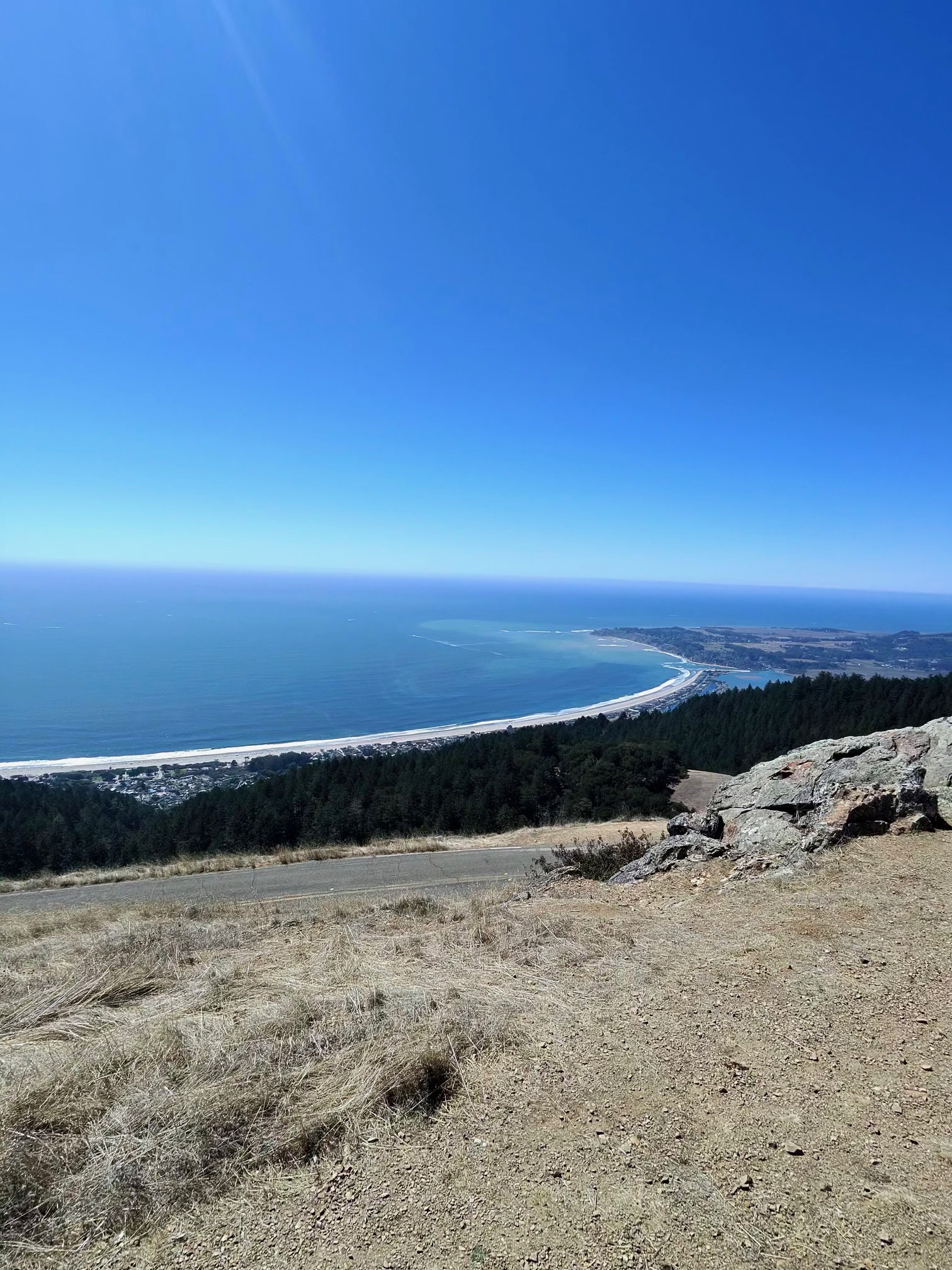
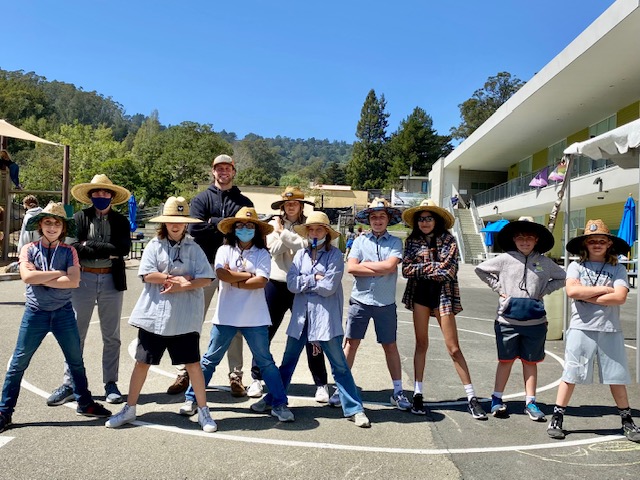
HI, I’M SKYLER.
I taught grades 6–8 mathematics at Marin Horizon in Mill Valley, and I changed the plan when a student needed a different explanation. Before that I was an educator and associate director at Sage Educators in Larkspur.
I studied physics, with a minor in mathematics, at the University of Portland, and later finished a computer science degree at Oregon State. I also work as an engineer. What I kept from teaching is taking something technical and making it usable for the person in front of me, without making them feel small for not knowing it yet.
BEFORE THE FIRST SESSION
A photo of a recent quiz or homework page helps. I’ll reply about fit, whether I have room, and what the rate and a first time would be. I keep the number of students small.
In person around Mill Valley and southern Marin. Online when the student lives farther into the Bay Area, or when the week is easier that way. A parent is welcome to be home during an in-person session, or in the room for an online one.
No. I can tell you what we worked on. I won’t promise a result that depends on the student, the course, and the week.
No. Some students need a missing idea filled in. Some need the current homework to become something they can do alone. Some are ready to go further.
I take middle and high school students. I can help with introductory computer science when it comes up. Math and physics are the subjects I plan the week around.
FIND A TIME
One-hour tutoring sessions run Monday–Friday, 9 a.m.–8 p.m. Pacific. Sessions start on the hour, from 9 a.m. through 7 p.m., subject to calendar availability. A parent or guardian should book for the student and include the student’s grade, course, and current topic. The invitation will include a Google Meet link.
Prefer a separate window? Open the booking page
LET’S TALK
Use the form, or call. If email is easier, write [email protected] with the grade, the course, and what has been difficult.